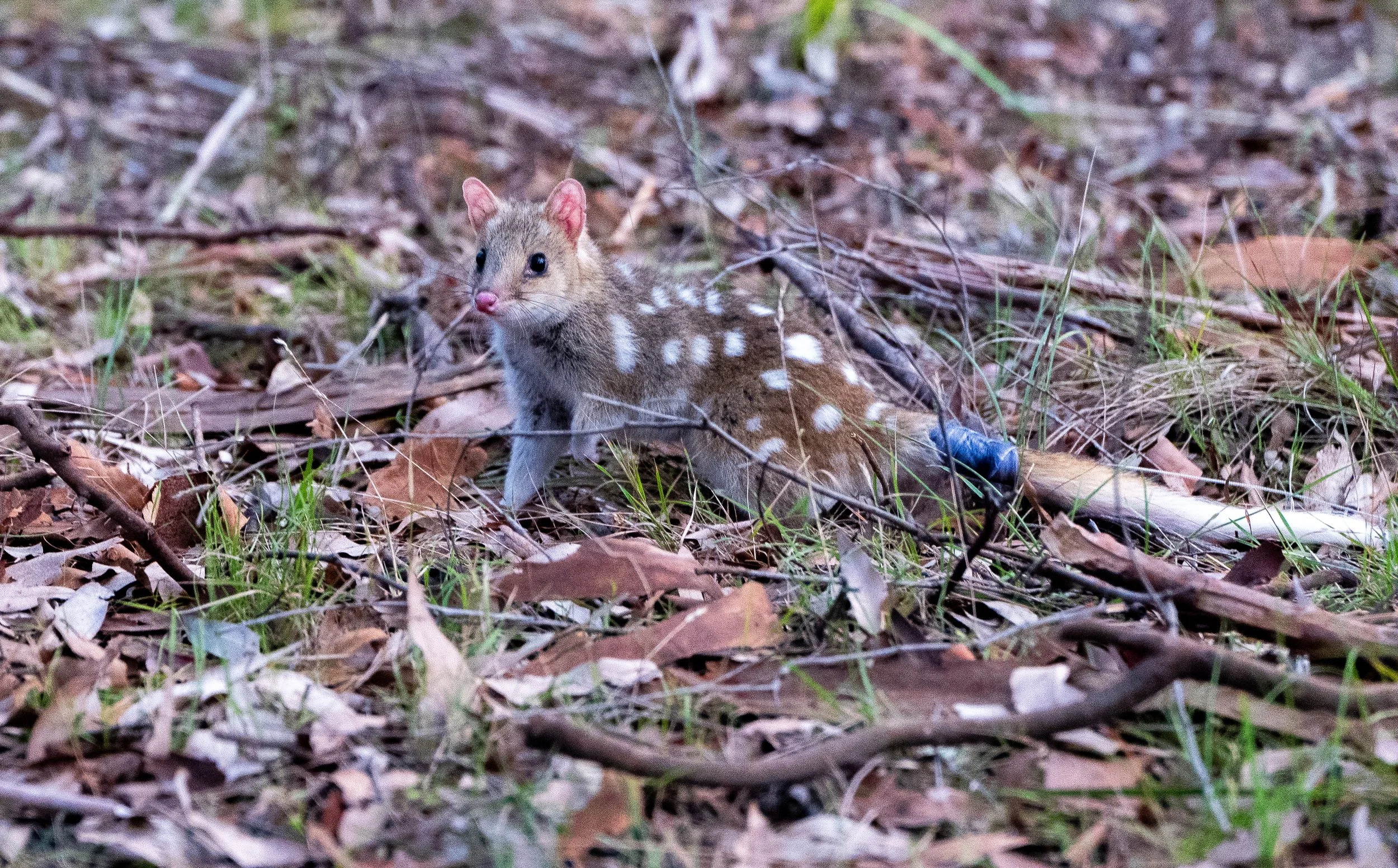
Reintroductions are increasingly important for restoring threatened species, but success often depends on how animals respond to unfamiliar landscapes, predators and resources following release. My rewilding research focuses on improving these transitions and identifying ways to establish wildlife beyond fenced reserves and in increasingly human-modified landscapes. This work includes collaborations with researchers at the Australian National University and conservation organisations across Australia and internationally, spanning threatened mammal reintroductions, urban rewilding, predator management and the development of new approaches to promote coexistence between wildlife and people.
Rewilding and species reintroductions
Collaborators
Thomas Newsome (USYD), Adrian Manning (ANU), Katherine Moseby (UNSW), Rebecca West (UNSW), Lily van Eeden (RMIT), Jonathan Pauli (University of Wisconsin)
MareshellWauchope (PhD Student), Patrick Bragato (PhD Student)
Sensory conservation
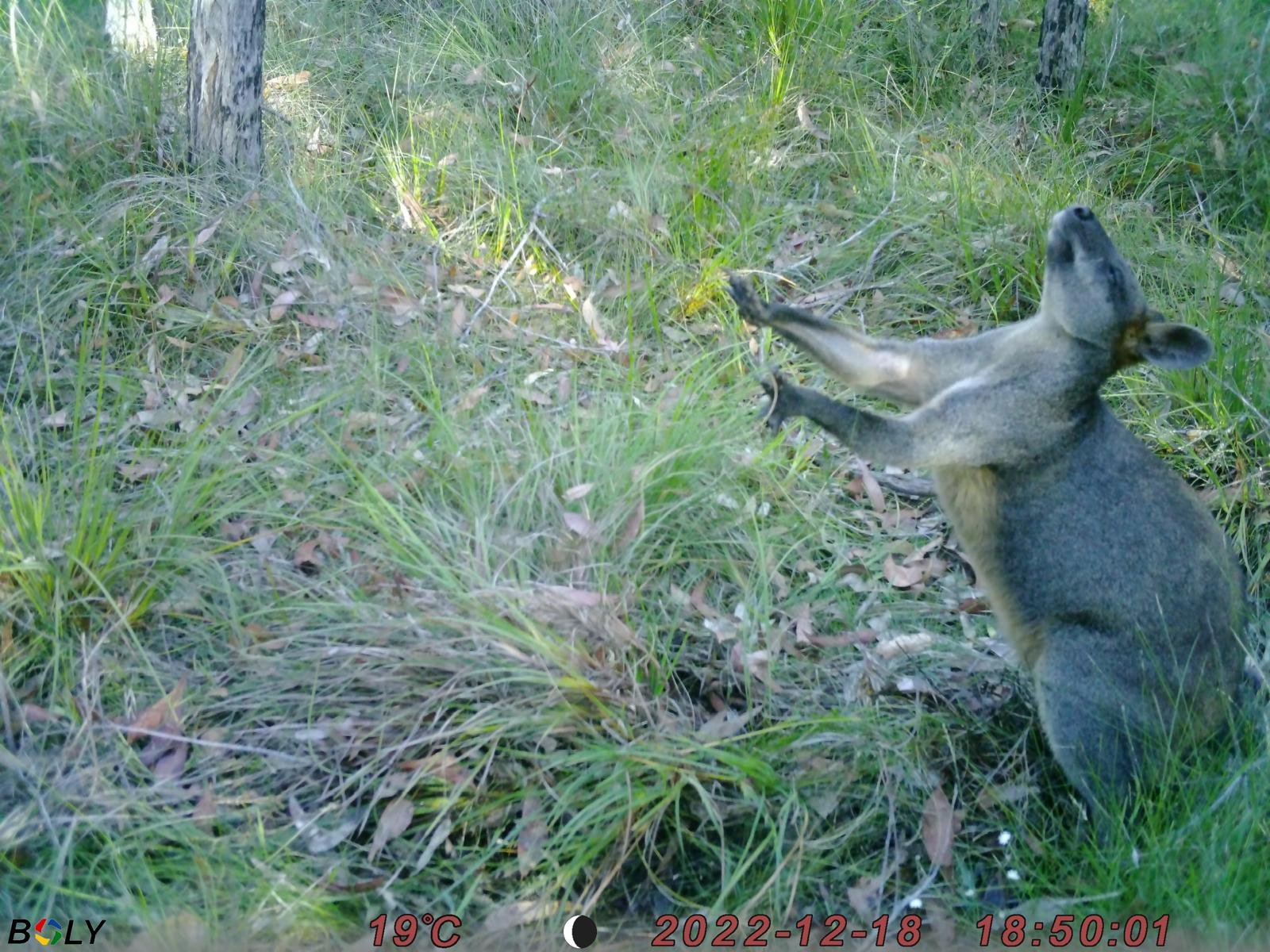
Animals experience landscapes through smell, sound, sight and other sensory cues, yet these processes remain underused in conservation. A major focus of my research is understanding how sensory information shapes animal behaviour and developing ways to harness these responses for management. In particular, I have worked extensively with olfactory cues to manipulate herbivore behaviour, predator responses and animal movements, with the broader goal of developing low-cost, behaviourally informed tools for conservation.
Collaborators
Adrian Manning (ANU), Melissa Schmitt (University of Washington), Peter Banks (USYD), Clare McArthur (USYD), Catherine Price (USYD), Adrian Shrader (University of Pretoria)
Scavenging and mass mortality ecology
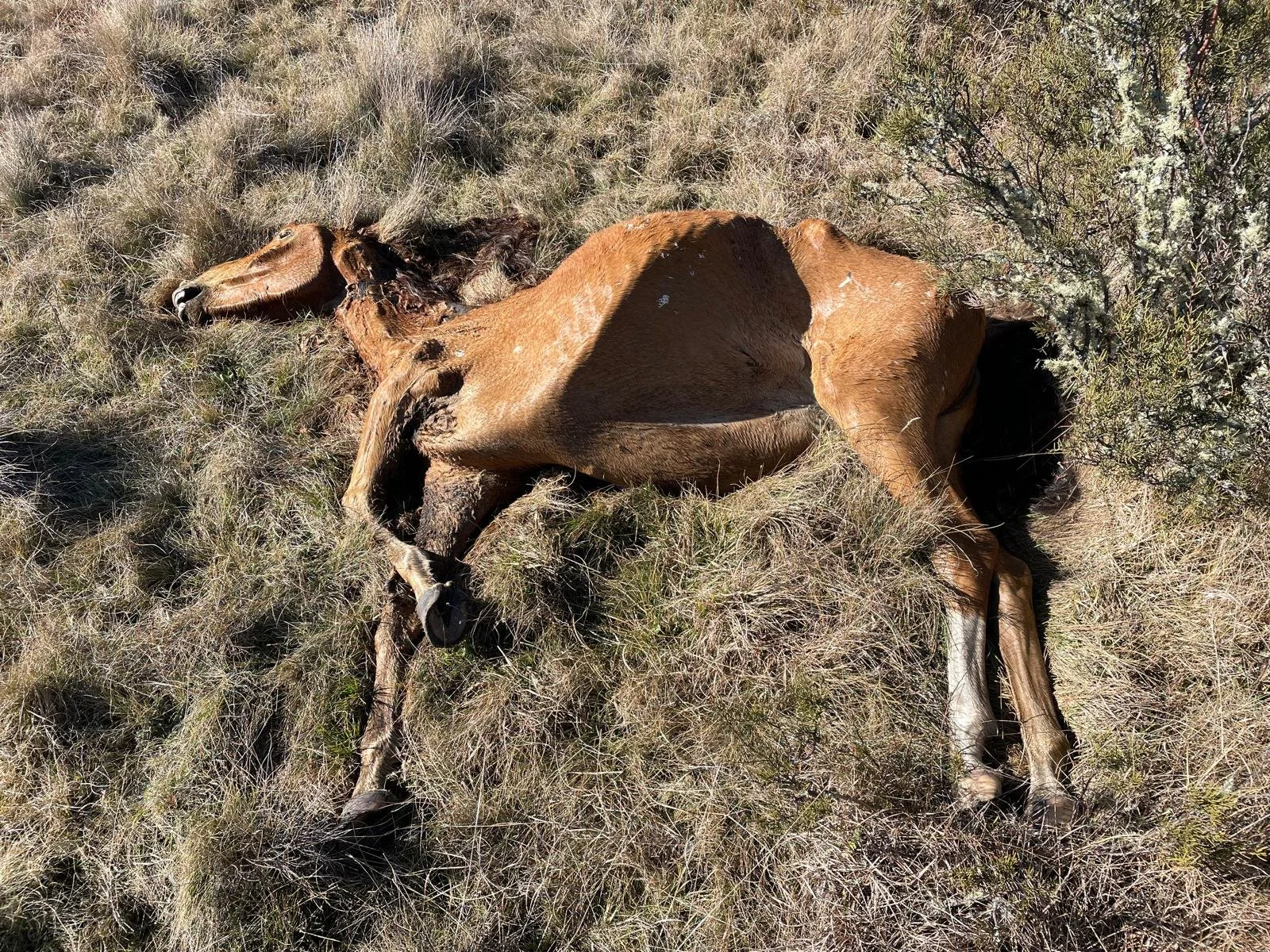
Animal carcasses are an important but often overlooked component of ecosystems, redistributing nutrients, supporting scavenger communities and creating localised disturbances that can persist long after decomposition. My research examines how vertebrate and invertebrate scavengers respond to carrion, how invasive and native species contribute to carcass removal, and how these processes change across seasons and landscapes. More recently, I have focused on mass mortality events, investigating how large pulses of animal biomass influence scavenger behaviour, soils, vegetation and ecosystem recovery through time.
Collaborators
Thomas Newsome (USYD), Philip Barton (Deakin Uni), Dan Parker (University of Mpumalanga), Aliza Le Roux (Free State University)
Rhys Cairncross (PhD Student), Niraj Meisuria (PhD Student)
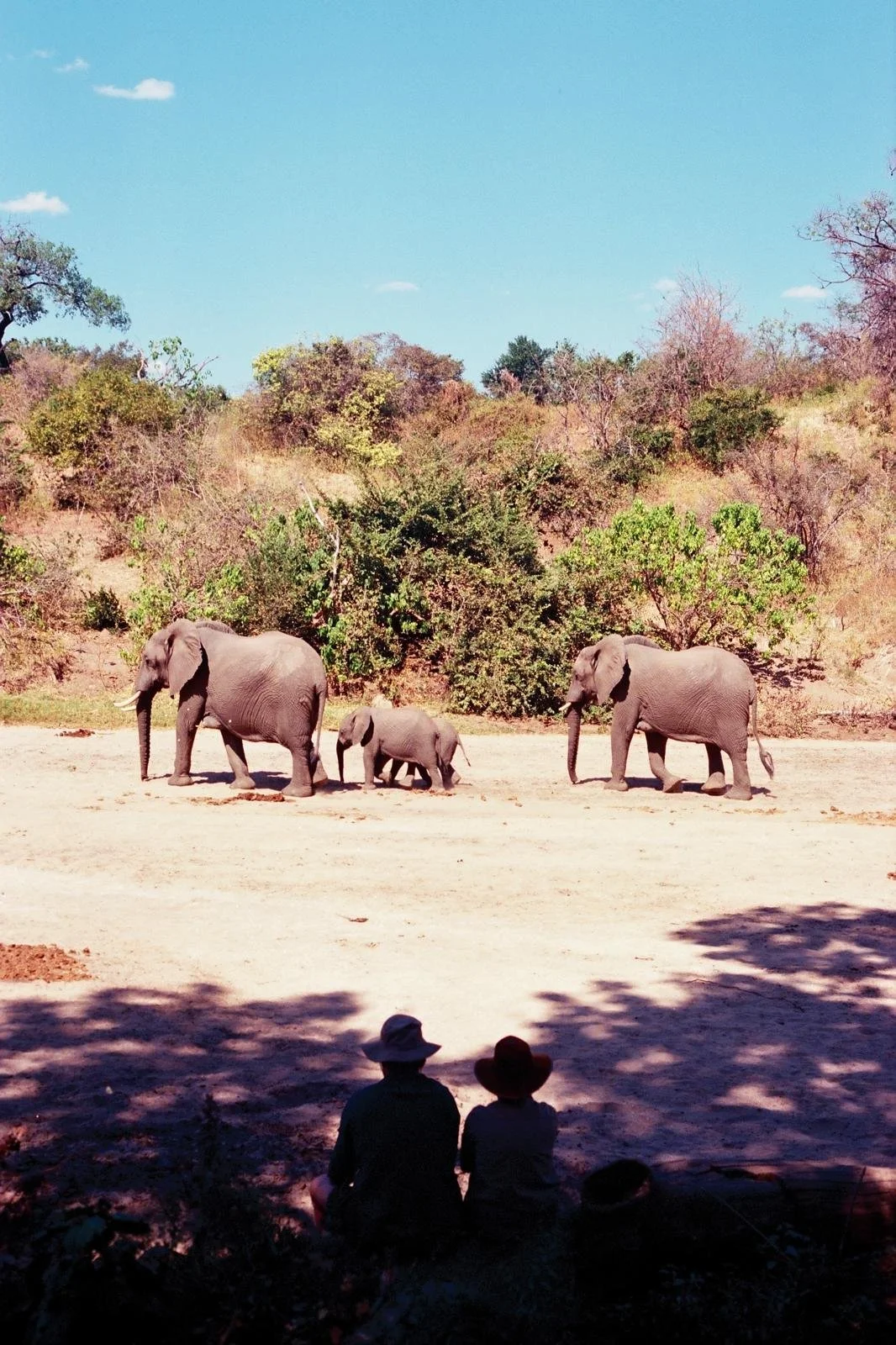
Herbivores make complex decisions about where and what to eat, with important consequences for plant survival, vegetation structure and ecosystem function. My research examines how plant traits, neighbouring vegetation and chemical cues influence these decisions, and how this knowledge can be used to reduce herbivore impacts. This work has included experiments with wallabies in Australia and elephants in southern Africa, exploring how plant odours and associational effects can alter browsing behaviour and improve plant survival.
Plant–herbivore interactions
Collaborators
Melissa Schmitt (University of Washington), Peter Banks (USYD), Clare McArthur (USYD), Catherine Price (USYD), Adrian Shrader (University of Pretoria)
I am always interested in developing new collaborations and research ideas across these areas. If you would like to discuss a potential project or collaboration, please get in touch.
Research awards and grants
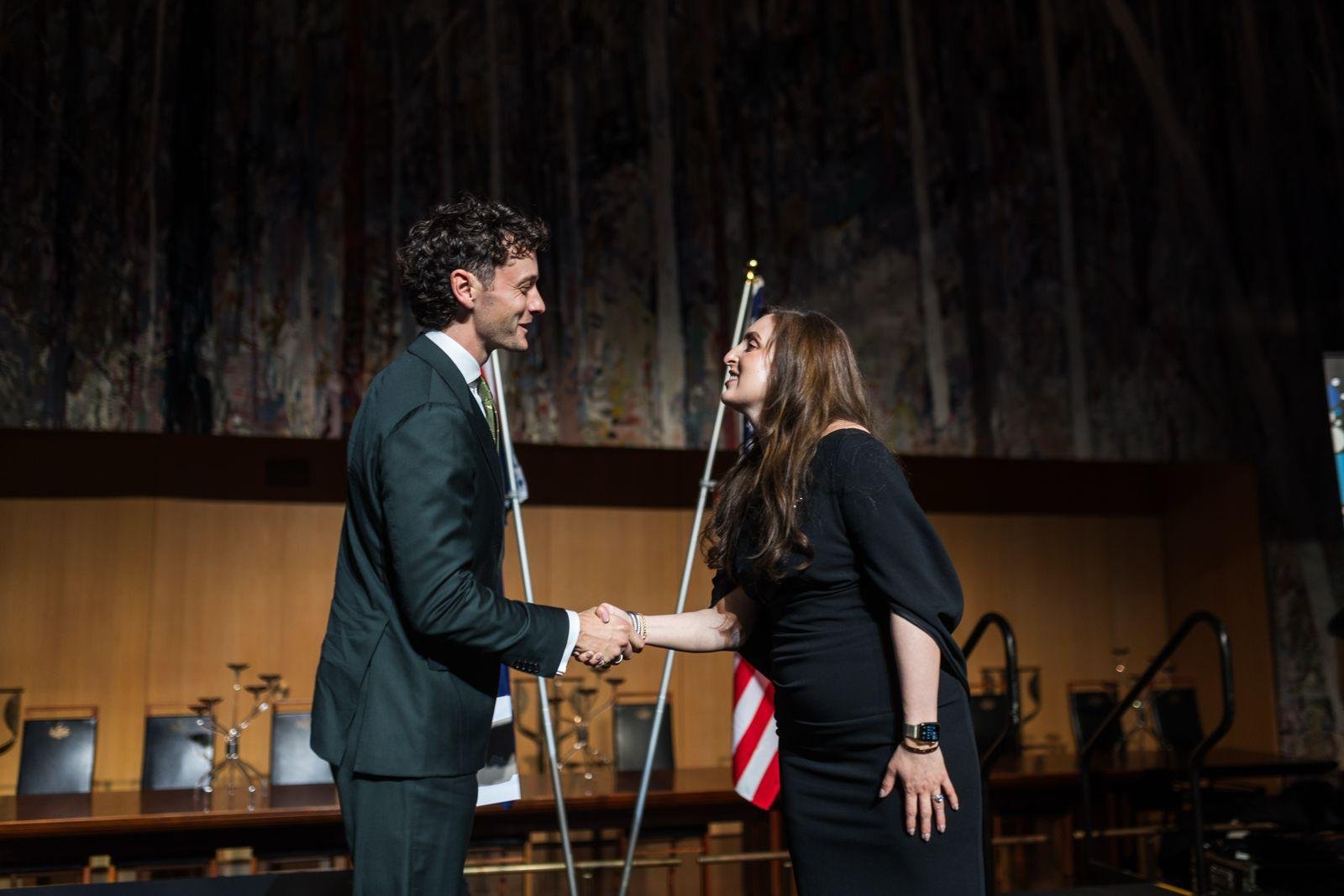
My research has been supported by competitive funding from Australian and international organisations, including the Australian Academy of Science, Elephant Crisis Fund, NSW Government, Ecological Society of Australia and Royal Zoological Society of NSW.
Selected Awards
2026 - Australasian Wildlife Management Society President’s Early Career award
2025 – University of Sydney Faculty of Science Prize for Outstanding PhD Thesis
2025 – University of Sydney Jabez King Heydon Memorial Postgraduate Prize in Biological Sciences — awarded for the most meritorious PhD in the Biological Sciences
2025 – ABC Top 5 — selected as one of Australia’s emerging thinkers and communicators
2025 – Australian Mammal Society President’s Early Researcher Award
2025 – Australasian Wildlife Management Society Joan Southgate Southern Africa–Australasia Collaboration Award
2024 – Ecological Society of Australia Next Generation Ecologist Award
2024 – Australian Museum Eureka Prize for Environmental Research — member of the Sensory Conservation research team
2023 – Australasian Wildlife Management Society Best Student Presentation Award
2022 – University of Sydney School of Life and Environmental Sciences Best Presentation Award
2020–2024 – Australian Postgraduate Award Research Training Program PhD Scholarship
2017 – University of Sydney University Medal
Research Grants & Fellowships
2026 - Australian-USA Fulbright Fellowship
2025 – Australian Academy of Science, Margaret Middleton Award for Endangered Australian Native Vertebrate Animals
2023 – Australian Academy of Science, Max Day Environmental Science Fellowship
2023–2025 – Elephant Crisis Fund, Rangelands Regeneration: Mapungubwe Transfrontier Conservation Area African Elephant Collaring Project — $120,000, Principal Investigator
2022 – NSW Government DPE–University of Sydney MoU Partner Grant
2021 – Ecological Society of Australia, Holsworth Wildlife Research Endowment
2021 – Royal Zoological Society of NSW, Paddy Pallin Foundation Science Grant
2021 – Ecological Society of Australia, Jill Landsberg Trust Fund Scholarship
2021 – Australian Wildlife Society, University Student Grant
2021 – Royal Zoological Society of NSW, EMR Research Grant